
gold
The Ultimate Indian Wedding Jewellery Checklist
Laksh · 28 September 2026
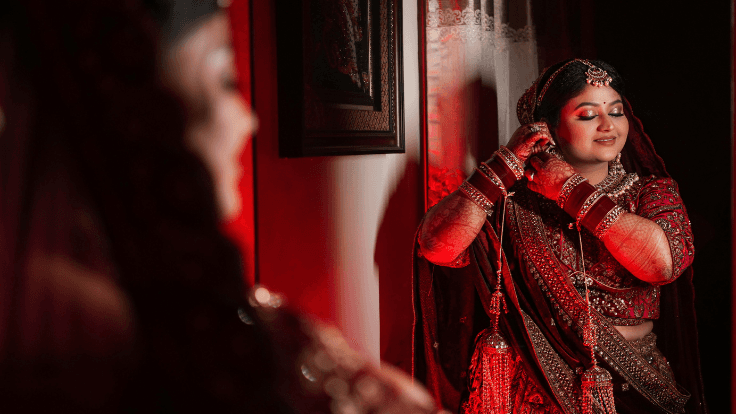
The Ultimate Indian Wedding Jewellery Checklist
Last updated: 28 Sep 2026
An Indian wedding is a true celebration of love and family. Every detail is carefully chosen to make the occasion feel special — and that includes bridal jewellery. From statement necklaces to traditional Kadas, each piece is designed to bring the entire look together, adding a touch of elegance and tradition for brides on their big day.
But, with so many options to consider, it can easily feel overwhelming. This is where a well-planned wedding jewellery checklist becomes invaluable to ensure nothing is overlooked. Whether you’re a bride-to-be or helping a loved one, our comprehensive guide will help you build an essential Indian wedding jewellery collection that reflects your style, heritage, and the event, from head-to-toe.
The Importance of a Bridal Jewellery List
Your wedding day is a once-in-a-lifetime moment, and having a structured list makes planning a whole lot easier. For one thing, it helps you keep track of the pieces you already have and identify anything still needed, giving you plenty of time to try on and choose your bridal jewellery before the celebration begins.
Secondly, it ensures you stay within your budget. Indian bridal jewellery can range from modest and subtle accessories to more elaborate and intricate designs that require time-honed skills to create. The choice between 22ct and 18ct gold, alongside the cost of handpicked diamonds and gemstones must also be taken into account. So, having a checklist helps you decide where to invest and where to keep things more understated.
Perhaps the most important reason for a checklist is it allows you to coordinate jewellery with your wedding outfits. Necklines, colours, embroidery and sleeve styles can all have a massive influence on which jewellery pieces work best. For instance, a heavily embellished lehenga, may call for a simpler necklace style, whereas a plain silk saree would pair beautifully with eye-catching Jhumakas.
Our Complete Bridal Jewellery Checklist
Maang Tikka or or Matha Patti
The Maang Tikka is one of the most recognisable pieces of Indian bridal jewellery. It is traditionally worn along the centre parting of the hair, it sits on the forehead and is meant to draw attention to the face. Popular styles include antique gold, polki, and pearl.
If you’re looking to achieve a more majestic look, opt for a matha patti. It features additional draped chains that frame your temples beautifully, creating a fuller, grander appearance. Tip: Make sure the maang tikka or patti complements your face shape, hairstyle, and necklace metal tone.
Nath
A nath (or nose ring) is a striking addition to your overall bridal look. In Hindu tradition, they symbolise marital status and prosperity, honoring the goddess of marriage, Devi Parvati. Styles vary across regions, from dramatic crescent or paisley-shaped Maharashtrian naths, to a Punjabi nath, which is a large gold hoop with a delicate chain that hooks into the hair.
For individuals who favour minimalism, smaller nose pins are lightweight and brilliant for receptions and post-wedding functions. Both are widely available as clip-on and press-on versions for brides without a piercing, giving you comfort and versatility. Tip: If you’re wearing one for the first-time, try it on with your outfit to ensure it sits securely and complements your aesthetic.
Earrings
No Indian bridal look is complete without a pair of earrings. They bridge the balance between a heavier headpiece (maang tikka or mathapatti) and the neckline, drawing the eye upward as well as brightening a bride’s face. Earrings also carry cultural and spiritual significance, with Vedic traditions linking the ears to energy flow to help promote wellbeing and mental clarity.
Whether you prefer ornate jhumkas and chandbalis, or discreet drops and studded styles, earrings should complement your entire wedding ensemble. Tip: Consider weight as well as appearance. Statement earrings can look stunning, but you'll want to feel comfortable wearing them throughout the occasion. A kaan chain does exactly that, lifting weight off the earlobe.
Necklace Set
A bridal necklace is the focal point of any Indian wedding outfit. As the crown jewel of Solah Shringar (the 16 traditional bridal rituals), it sets the tone for the rest of a bride’s jewellery set and, according to Ayurvedic and Vedic principles, acts as a shield over the heart, representing love, stability and inviting positive energy.
Depending on your style and neckline, you can choose from a choker (best for a deep V or sweetheart neckline), or a longer haram or rani haar (long cascading gold necklace) that’s perfect for layering and complements an open or high neckline. Tip: If you have several wedding functions to attend, a lighter transitional necklace allows you to create an easy, versatile look.
Bangles or Kadas
Bangles (also known as “choodiyan”) are a bridal jewellery list must-have. Accompanying a bride’s every gesture and movement with a melodic chime, they are considered highly auspicious as the manifestation of matrimonial bliss and harmony. Gold bangles can be worn either alone or stacked together on both wrists.
And, there are a plethora of designs to choose from, including polki-style, diamond-studded, or coloured glass. A kada offers a bolder appearance, featuring a screw-open mechanism for an easy fit, meenakari enamel detailing or elephant/peacock motifs. Tip: Use our size guide to measure your wrist for the ideal fit before buying online.
Rings
For centuries, rings have served as a symbol of commitment, lineage, and love, often passed down through generations. Chosen thoughtfully, they bring together different elements of a bride’s Indian wedding jewellery, with fingers adorned in everything from traditional gold bands and delicate gemstone designs to statement cocktail rings.
Many Mughal and Rajasthani brides also wear an Arsi ring. This is an overside thumb ring with a tiny mirror in the centre used to catch a glimpse of their refection without having to look directly into a mirror. Gents can also choose from single gold wedding bands and geometric styles. Tip: If you're wearing a haath phool, a simpler ring can prevent the overall look from becoming overly busy.
Haath Phool
A haath phool (meaning “hand flower”) is a delicate ornament consisting of a bracelet connected to one or more rings by fine chains. It beautifully elevates the hands, especially Mehendi, and can add an extra layer of detail to bridal photographs.
Hands play a central role in Indian weddings: the exchange of garlands (Jaimala), the joining of hands (Pani-Grahana), and the pouring of holy offerings into the sacred fire. Therefore, a haath phool is a brilliant piece of jewellery for drawing attention to the hands during these meaningful rituals. Tip: Try your haath phool while moving your hands naturally. The chains should sit comfortably without pulling.
Kamarbandh (Waist Belt)
A kamarbandh is a traditional waist belt worn around the saree or lehenga. While not essential for every bride, it greatly enhances your silhouette and can be layered, studded, or beaded at varying lengths and styles.
For practical purposes, it also securely anchors the heavy dupatta or saree pleats, so you’ll be able to move freely, without worrying too much about them slipping or bunching up awkwardly during ceremonies. Tip: Make sure your kamarbandh sits comfortably and complements the drape of your outfit and jewellery set.
Payal (anklet) and Bichiyas (toe rings)
Finally, don’t forget about Indian wedding jewellery worn below the waist. Payal (anklets) are used to enhance a bride’s femininity and celebrate their journey into a new life. Meanwhile, Bichiyas are placed symmetrically on the second toe of both feet by the groom as a sign of his protection and devotion.
Unlike the jewellery worn on the upper body, bridal payals and bichiyas are almost exclusively crafted from silver, never gold. It is believed that silver helps to ground the bride and improve a woman’s vitality as she prepares for marriage and future motherhood. Tip: Choose adjustable/open-ended toe rings and measure your ankle loosely to avoid the Payal digging into your skin.
Final Thoughts
Your bridal jewellery is more than an accessory chosen to complete your outfit. For many families, it is a long-standing investment that connects them to traditions, rituals, and generations that came before.
Start off by considering your ceremonies, outfits, and personal style before working through each piece on your Indian wedding jewellery checklist. This will give you time to coordinate colours and proportions while making sure every detail is right.
Whether you prefer traditional or contemporary gold designs, or a combination of both, the right pieces can make your bridal outfit feel personal, elegant and complete.
Create Your Ultimate Bridal Look with Sanjeev
At Sanjeev Jewellers, we understand that choosing Indian bridal jewellery sets is about finding pieces that become part of your family's story for generations.
Our Bridal Suite in Southall offers an exclusive, by-appointment experience where you can explore our exquisite range of Indian wedding jewellery collections in comfort and privacy.
Whether you're building your collection from scratch or searching for the final piece to complete your look, our team is here to offer friendly, expert guidance. Get in touch with us on 020 8571 1427 or fill in the form on our website.